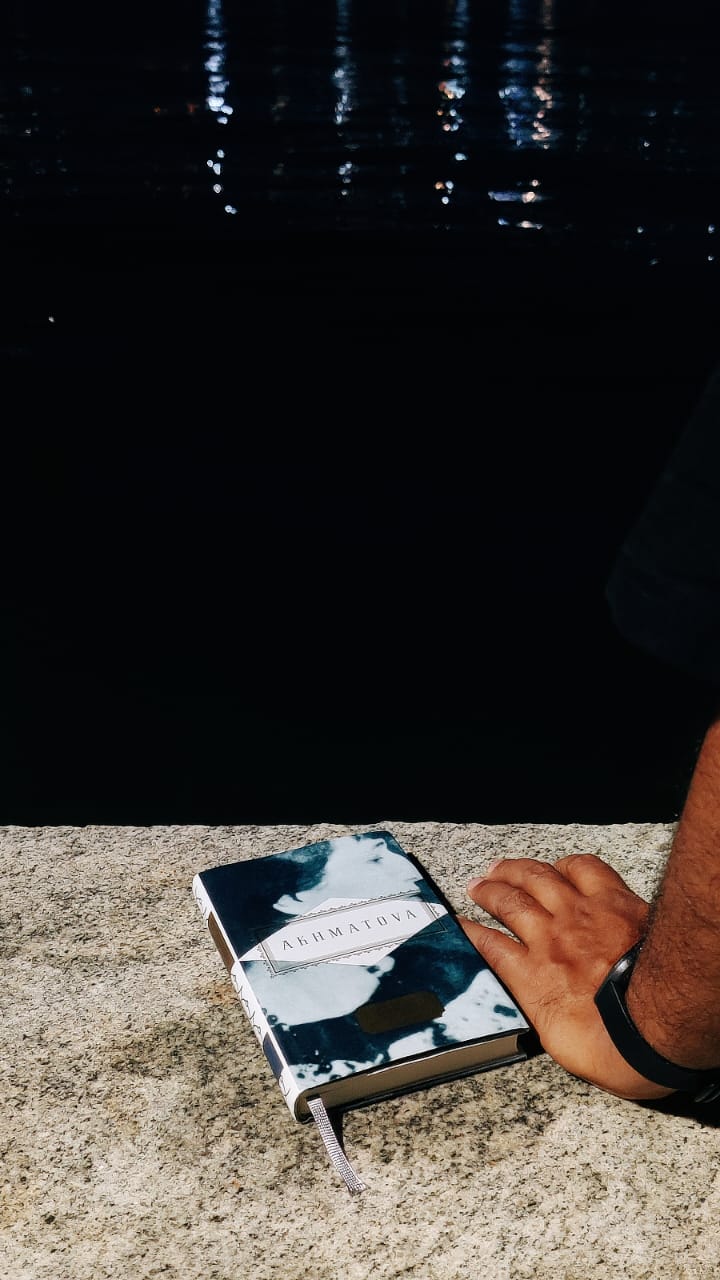
Anna Akhmatova, a name whispered like a prayer, a testament etched in verse, stands as a beacon of the enduring human spirit. Her life, a tapestry woven with passionate love, profound loss, and unwavering resilience, reflects the tumultuous landscape of 20th-century Russia. Beyond her elegant verses, Akhmatova’s story is one of survival, artistic integrity, and a deep, often painful, connection to her homeland.
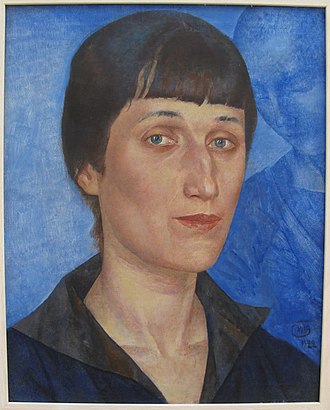
A Poet’s Dawn, A Love’s Bitter Symphony:
From a young age, the muse stirred within Anna Gorenko, a whisper that would soon become a roar. Her early verses, touched by the hand of Nikolai Gumilyov, marked the genesis of a literary soul. He would edit her first published poem, a seed sown in the Parisian journal, “Sirius.” “On his hand are lots of shining rings,” the words first signed with her birth name, before she claimed the ancestral mantle, Akhmatova, a name echoing the Khan’s lineage. And in those early lines, a hint of the heart’s first tremblings, a secret tenderness yet to fully bloom.

Though love’s flame flickered hesitantly for Gumilyov, a collaboration bloomed, a dance of words. They wed in Kiev, a union that led her to Paris, where she met Amedeo Modigliani, a painter of shadows and light. His gaze, captured in sixteen nude drawings, forever imprinted on her soul. The silent language of art, a tender exchange across a canvas of time. “When you’re drunk it’s so much fun,” she penned, a memory of Parisian elms, a shifting season, a whispered tale.
Gumilyov, a leader of the Acmeist creed, turned eyes from mystical realms to the tangible world, to the human heart. Akhmatova, a star in their constellation, secretary of the Guild of Poets, found her voice among Mandelstam and others. Her first collection, “Vecher,” a whisper of love’s complexities, brought instant acclaim. “Chetki,” a rosary of poems, further cemented her fame, her beauty a beacon in St. Petersburg’s bohemian nights, at the “Stray Dog” cabaret. Where words were spun like silk, and hearts laid bare in the smoky haze.
True tenderness is silent
and can’t be mistaken for anything else.
In vain with earnest desire
you cover my shoulders with fur;
In vain you try to persuade me
of the merits of first love.
These verses capture the essence of Akhmatova’s understanding of love, a profound, often unspoken connection that transcends superficial gestures. They speak of a wisdom gained through experience, a recognition that true affection lies in a quiet, unwavering presence, not in outward displays. A tender truth, gleaned from the depths of a soul that had known both passion and pain.
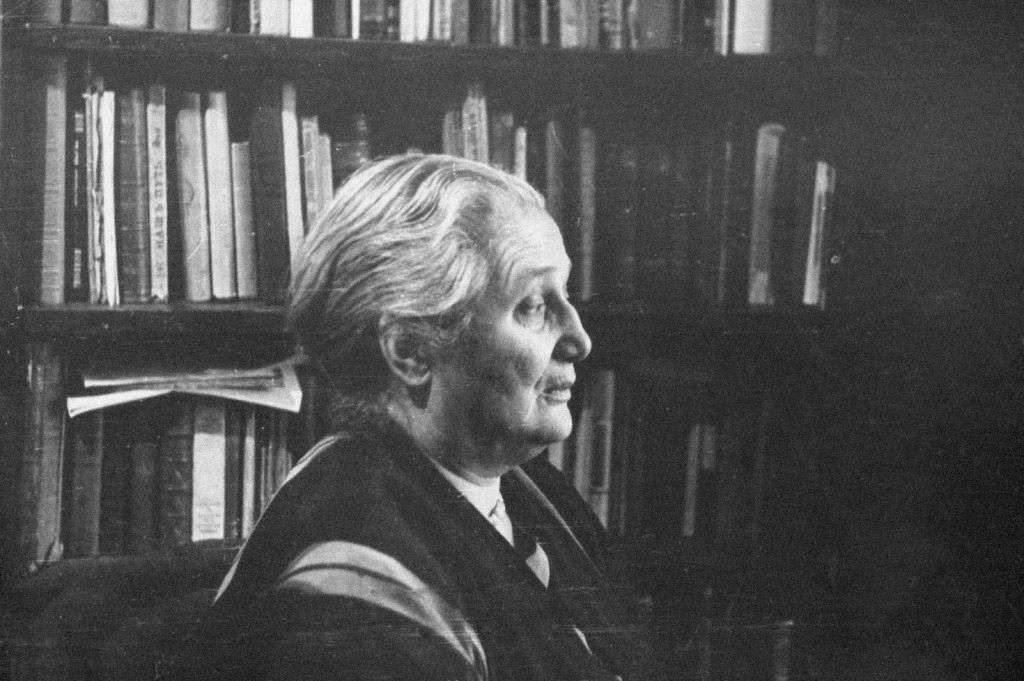
The Weight of History:
Her life, a mirror to Russia’s tumultuous soul, reflected the revolution, the purges, and the war. Gumilyov’s execution, her son and husband’s arrests, these were the shadows that lengthened her verse. She chose to stay, a witness to her nation’s suffering, her voice a lament for the lost. Each loss a thread pulled taut, weaving a tapestry of grief, yet through it all, tenderness remained.
“Requiem,” her masterpiece, a secret litany for the silenced, a testament to her courage. From private lamentations, she turned to civic themes, her voice a prophet’s cry. “I am not with those who abandoned their land,” she declared, her soul rooted in the Russian tongue, a choice that sealed her fate. Despite the “royal” accomodations of the Marble Palace with Shileiko, hardship remained. In the face of brutality, she held onto the fragile beauty of memory, a tender offering to the fallen.
And in the understanding of her own fate, she wrote:
You’ll live, but I’ll not; perhaps,
The final turn is that.
Oh, how strongly grabs us
The secret plot of fate.
They differently shot us:
Each creature has its lot,
Each has its order, robust, —
A wolf is always shot.
A stark acceptance, a tender farewell, a recognition of the harsh, unyielding order of things. A wolf is always shot, yet the spirit roams free.
Labeled a “relic of the past,” her work was suppressed, her voice silenced, yet her spirit remained unbroken.
Resilience Forged in Fire:
Despite the constant threat of persecution and the profound personal losses she endured, Akhmatova refused to be silenced. Her resilience was legendary. She continued to write, create, and bear witness to the truth, even when doing so put her life at risk. Like a flower pushing through cracked concrete, her spirit bloomed, a testament to the enduring power of tenderness.
Her work became a lifeline, a way to process the trauma and preserve the memory of those who had been silenced. She found strength in her art, connection to the Russian language, and unwavering belief in the power of poetry. Each word is a caress, a gentle reminder of the human heart’s capacity for love.
Akhmatova’s legacy extends far beyond her literary achievements. She stands as a symbol of artistic integrity, moral courage, and the enduring power of the human spirit. She reminds us that even in the darkest of times, the human capacity for love, resilience, and creative expression can prevail. And in the quiet spaces between her verses, a tender echo of a soul that refused to be extinguished.
Her poems remain a testament to the power of personal experience to illuminate the broader historical context. Reading Anna Akhmatova is more than just appreciating beautiful verse; it’s experiencing a life lived with extraordinary depth, and a spirit that remained unbroken through the harshest of trials.
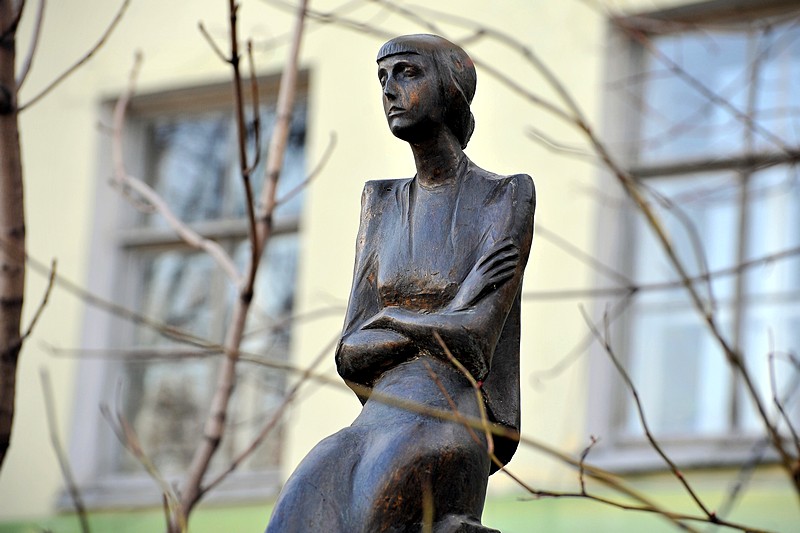
Through her unflinching honesty, her ability to weave personal heartbreak with the grand tapestry of revolution, Akhmatova has ignited within me a profound love for revolutionary love – a love that defies oppression, that speaks truth to power, and that finds strength in collective suffering. And in her masterful use of symbolism and emotional depth, her ability to convey the unspoken through the concrete, she has unveiled the intoxicating beauty of abstract poetry, a realm where feelings transcend the literal, and the soul finds its truest expression. Akhmatova’s legacy is not just a literary one; it’s a testament to the enduring power of the human heart, a beacon that continues to illuminate the path for those who seek truth and beauty in the face of adversity.
And so, we leave the garden of her words, where shadows dance with light, and sorrow blossoms into strength. Though the wolf may fall, the echo of her voice, a tender, defiant call, still lingers in the air. Like the faint scent of snow on a winter wind, her poetry carries the weight of history, yet whispers of an unbreakable spirit. In the quiet spaces between the lines, in the silences that speak volumes, we find the enduring secret of her craft: a heart that loved, a voice that endured, and a word that remains, forever unbroken.
 chime.in.the.void