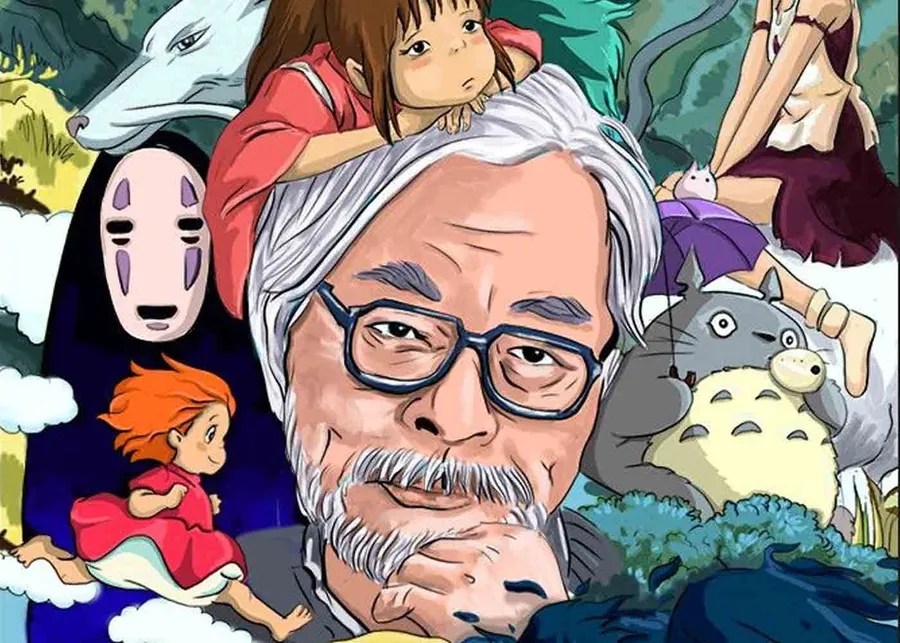
A Ghibli Pilgrimage
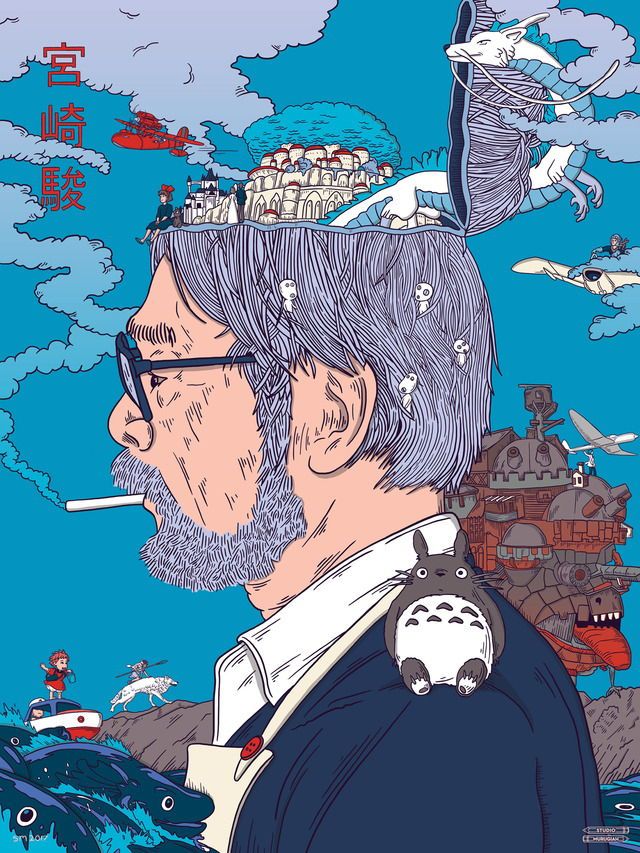
Ghibli. The name alone evokes a symphony of emotions: wonder, nostalgia, a comforting sense of “home.” For me, it’s more than just a studio; it’s a portal to a world where dreams take flight, where the mundane transforms into the magical, and where the whispers of the wind carry stories of courage, compassion, and the enduring power of the human spirit.
My journey into the enchanting realm of Ghibli began in childhood. “My Neighbor Totoro,” with its whimsical creatures and the ethereal glow of the moon, captivated my imagination. Totoro, with his gentle presence and mischievous spirit, became a symbol of childhood innocence and the magic that resides in the everyday.
“Castle in the Sky,” a breathtaking adventure, ignited my fascination with flight and the yearning for a world beyond the ordinary. The vibrant airships, the mysterious Laputa, and the unwavering bond between Sheeta and Pazu instilled in me a sense of wonder and a belief in the power of friendship to overcome any obstacle.
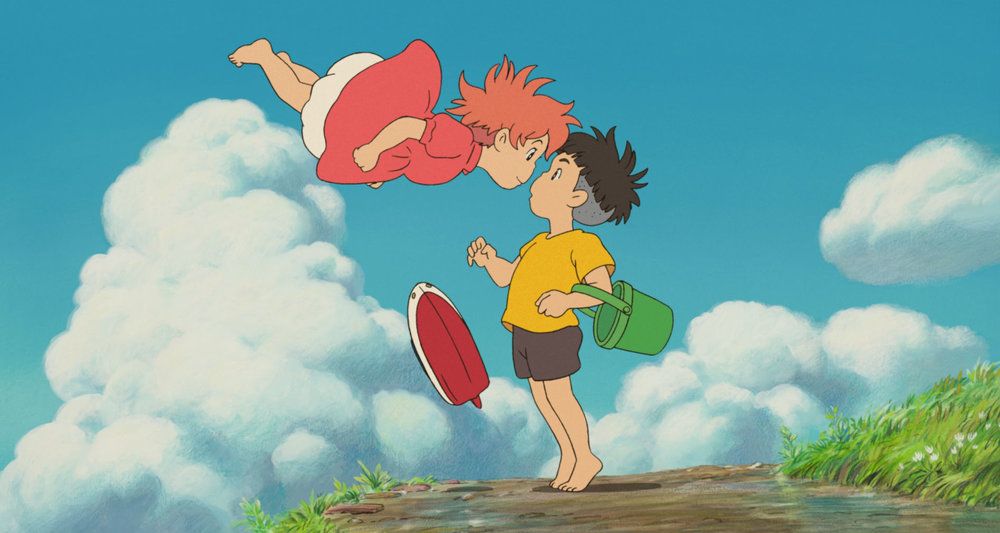
As I grew, Ghibli continued to weave its magic. “Ponyo,” with its vibrant colors and the playful spirit of the sea, reminded me of the joy of childhood and the importance of embracing the fantastical. The film, a poignant exploration of love and the delicate balance between nature and humanity left an indelible mark on my soul.
However, Ghibli’s artistry extends beyond whimsical tales. “Grave of the Fireflies,” a heart-wrenching masterpiece directed by Isao Takahata, serves as a poignant reminder of the devastating impact of war and the enduring power of human resilience. Takahata, a co-founder of Studio Ghibli alongside Hayao Miyazaki, brought a distinct and powerful voice to the studio. His film’s unflinching portrayal of suffering and the profound love between siblings evokes a deep sense of empathy and a profound understanding of the fragility of life.
“The Wind Rises,” a more introspective work, delves into the complexities of human ambition and the pursuit of dreams. It’s a poignant reflection on the delicate balance between passion and responsibility, and a reminder that even in the face of adversity, the human spirit can find solace in beauty and the pursuit of excellence.
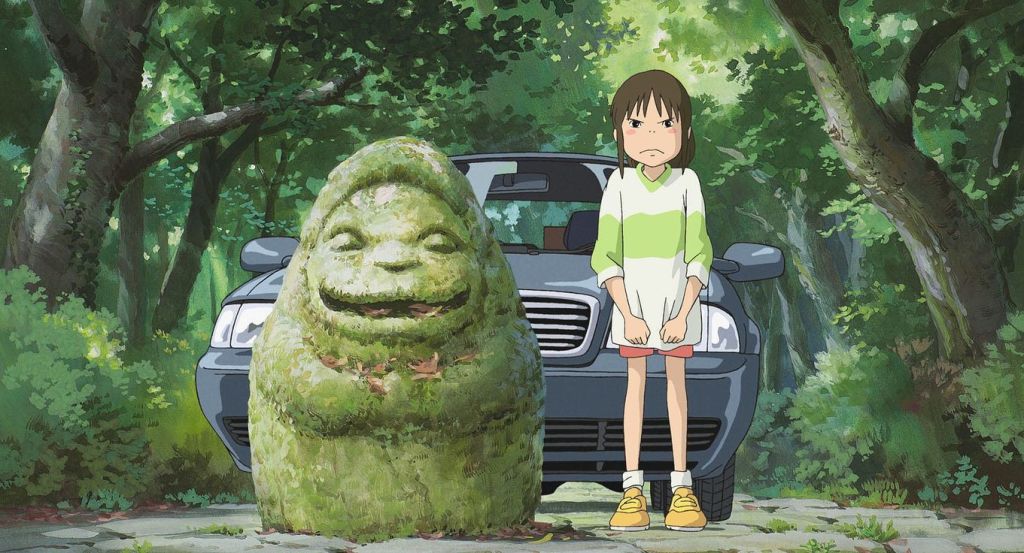
But Ghibli’s magic extends far beyond these films. “Spirited Away,” with its breathtaking visuals and poignant exploration of identity and courage, transported me to a fantastical world where the lines between reality and the supernatural blur. “Princess Mononoke,” a powerful and thought-provoking epic, delved into the complex relationship between humans and nature, leaving me with a profound respect for the interconnectedness of all living things.
At the heart of this magic lies the genius of Hayao Miyazaki, a visionary filmmaker whose profound understanding of human emotion and unwavering commitment to artistry have captivated audiences worldwide. Miyazaki’s films are not merely entertainment; they are reflections of the human condition, exploring complex themes with a delicate touch and an unwavering belief in the power of imagination.
Miyazaki’s influence on my own life has been profound. His films instilled in me a deep appreciation for the beauty of nature, a respect for the environment, and a belief in the power of human kindness to overcome even the most daunting challenges. They taught me to embrace my own imagination, to find wonder in the every day, and to never lose sight of the childlike sense of awe that makes life truly magical.
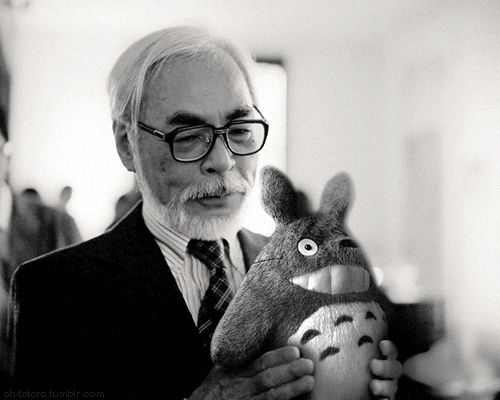
“Howl’s Moving Castle,” a whimsical and visually stunning masterpiece, captivated me with its enchanting world of magic and the enduring power of love. “Kiki’s Delivery Service,” a heartwarming coming-of-age story, reminded me of the importance of independence, self-discovery, and finding one’s place in the world.
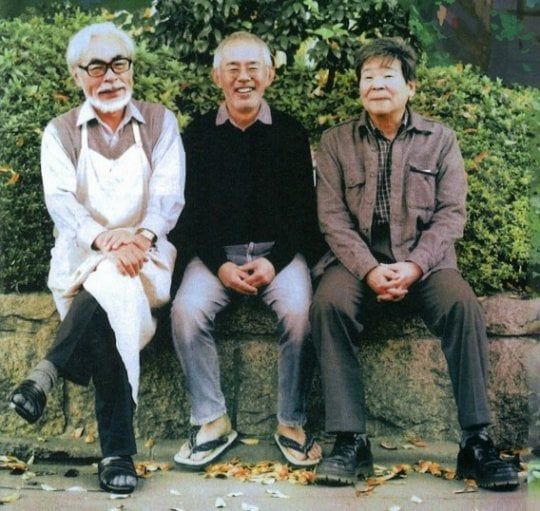
Beyond the magic woven on screen, the story of Studio Ghibli’s creation is equally compelling. In 1985, Hayao Miyazaki, Isao Takahata, and Toshio Suzuki officially founded the studio, building upon the success of their earlier collaboration on Nausicaä of the Valley of the Wind. This partnership, driven by a shared vision for high-quality animation that explored complex themes with artistic integrity, laid the foundation for the studio’s remarkable legacy. Toshio Suzuki, often considered the strategic and business mind behind Ghibli, played a crucial role in navigating the industry and fostering the creative environment that allowed Miyazaki and Takahata’s visions to flourish. His astute management and understanding of the delicate balance between art and commerce were instrumental in Ghibli’s sustained success and global recognition.
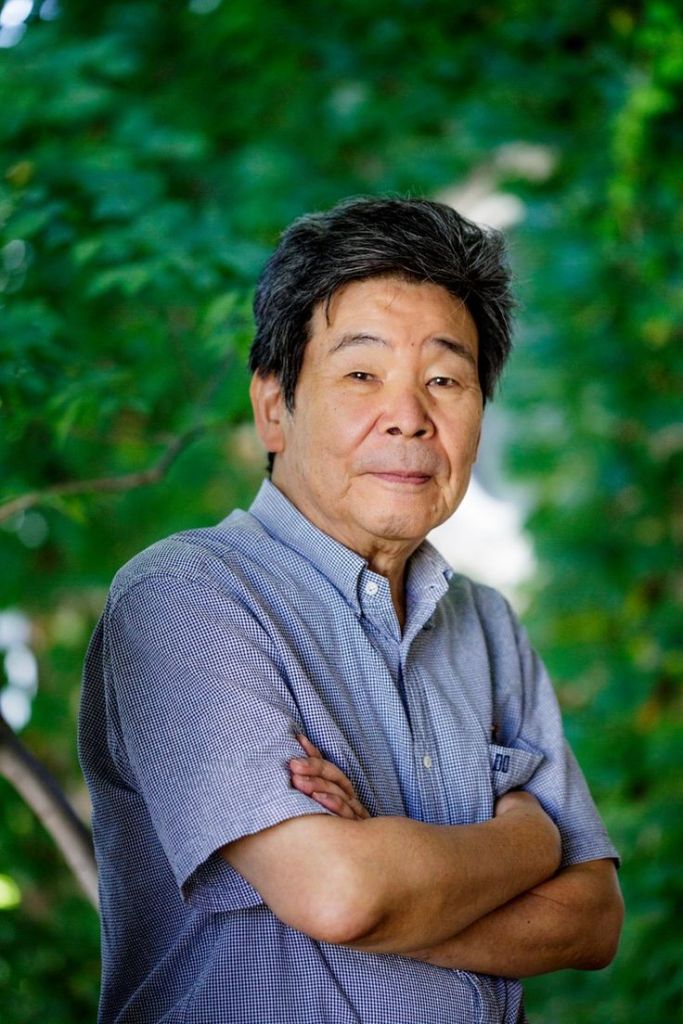
Each Ghibli film, including the deeply moving works of Isao Takahata like “Grave of the Fireflies,” offers a unique and profound perspective on the human condition, exploring themes of love, loss, courage, hope, and the interconnectedness of all living things. Isao Takahata was a significant part of Studio Ghibli’s foundation and artistic achievements. As a co-founder alongside Hayao Miyazaki, Takahata brought a distinct and vital perspective to the studio. His directorial work, exemplified by the deeply moving “Grave of the Fireflies,” the innovative “Pom Poko,” and the beautifully understated “The Tale of the Princess Kaguya,” showcased a commitment to humanism, realism, and a unique storytelling approach that often diverged from Miyazaki’s fantastical worlds. Takahata’s influence extended beyond his own films; his thoughtful critiques and insightful contributions undoubtedly helped shape the overall creative environment and the high artistic standards that became synonymous with the Ghibli name. His passing in 2018 was a significant loss to the animation world, leaving behind a legacy of profound and enduring cinematic works.
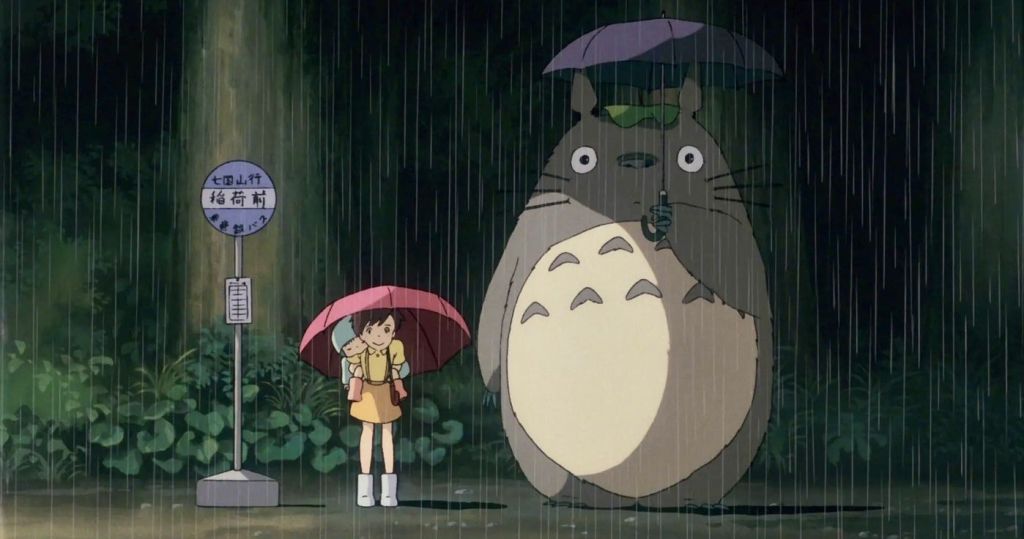
The beauty of Ghibli lies not just in its stunning visuals and captivating narratives, but in its ability to evoke a profound sense of belonging. Each film, in its own unique way, invites the viewer to step into a world that feels both familiar and utterly unique. Whether it’s the quiet magic of “My Neighbor Totoro” or the poignant reflection on life and death in “Grave of the Fireflies,” Ghibli’s works resonate deeply with the human experience, reminding us of the importance of compassion, courage, and the enduring power of hope.
For me, Ghibli is more than just a studio; it’s a source of constant inspiration, a reminder of the magic that exists in the world, and a testament to the power of storytelling to connect us all. It’s a world I continue to return to, time and again, seeking solace, wonder, and a renewed sense of childlike awe.

 chime.in.the.void
precious! International Organizations Call for Action on [Global Concern] 2025 superior